

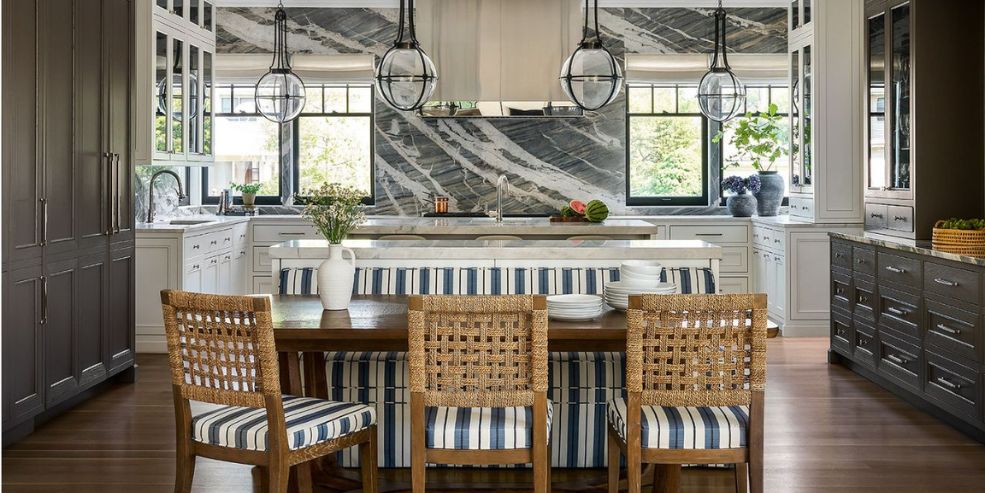
Every architecture firm is shaped by its values. At Charles Vincent George Architects, one of ours is simple: a home shouldn’t just bear the signature style of the architect. It should reflect the life of the people who inhabit it. That’s why our residential work doesn’t follow a single aesthetic path. Instead, we focus on adaptability, context, and the deeply personal rhythms of everyday living.
Designing a home is equal parts creative exploration and thoughtful negotiation, where the owner’s preferences and the designer’s judgment meet in a productive middle ground. Here’s how we approach designing homes that truly express the lives lived within them.
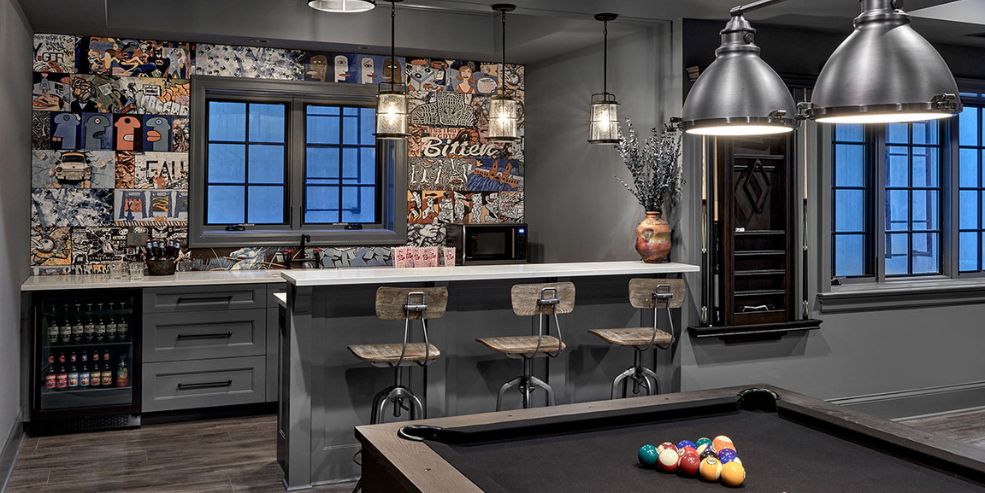
The programming meeting is our first major session with a homeowner, and it’s lengthy by design. Over two or three hours, we ask detailed questions, not just about square footage or bedroom counts, but about routines, habits, wishes, and the practical realities of daily life. How do you like to wake up? Where do you work? How do you recharge? How do you entertain?
These conversations often lead to surprisingly personal revelations. Many homeowners find themselves opening up about things they rarely share with others, because they sense the importance of these details. This depth of understanding becomes the foundation for design decisions that feel intuitive and genuinely connected to their lifestyle.
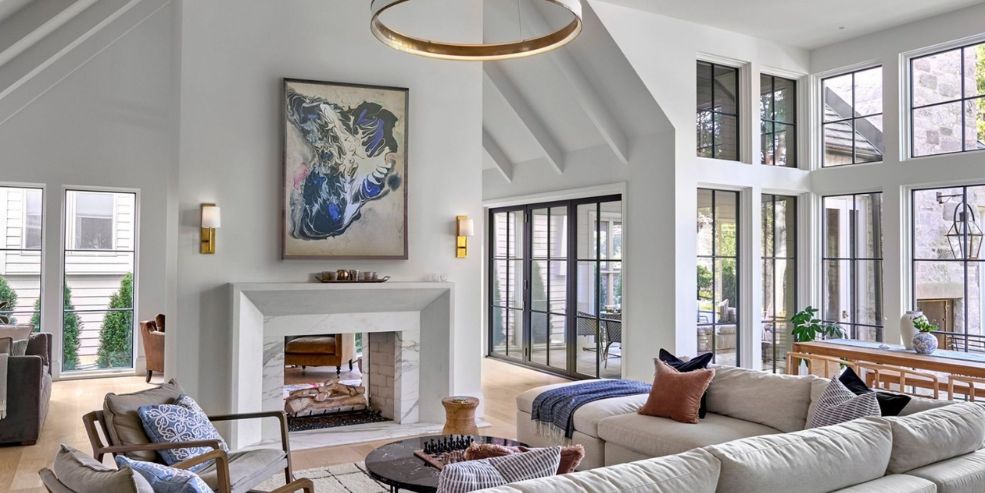
Once homeowner preferences are clear, the designer’s role becomes a blend of advocate, guide, and collaborator. Experience brings the ability to recognize what works—and what doesn’t—long before construction begins. When a homeowner proposes an idea that could create issues down the line, we explain this candidly, backed with examples. But if the preference truly matters to the owner, we find a way to make it work.
Because most people understandably struggle to visualize architectural space, communication becomes essential. Renderings, sketches, and side-by-side options give clients a clearer sense of how different choices might play out, making potential pitfalls easier to see. Through this process, a middle ground often emerges—one that preserves the owner’s vision while benefiting from professional insight.
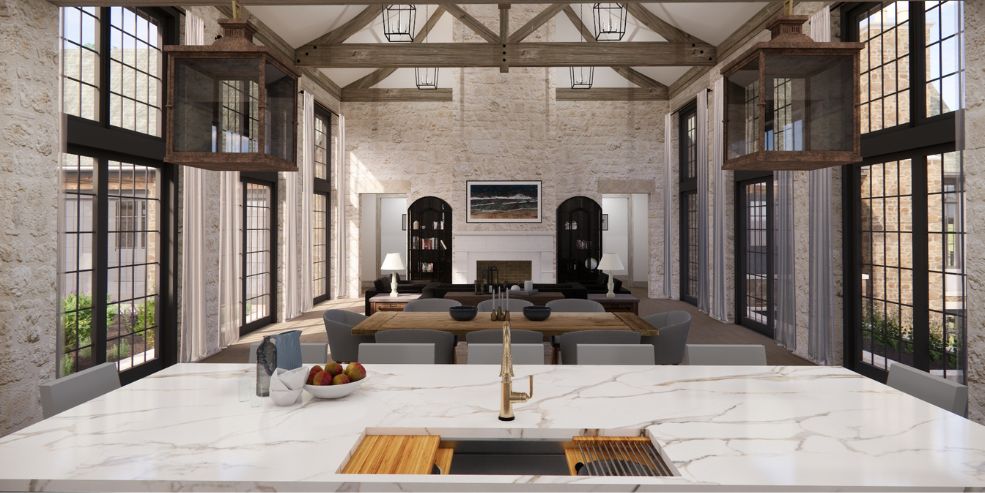
Every home we design ends up looking different because every owner brings a different story. The following projects demonstrate how personal priorities shape unique outcomes.
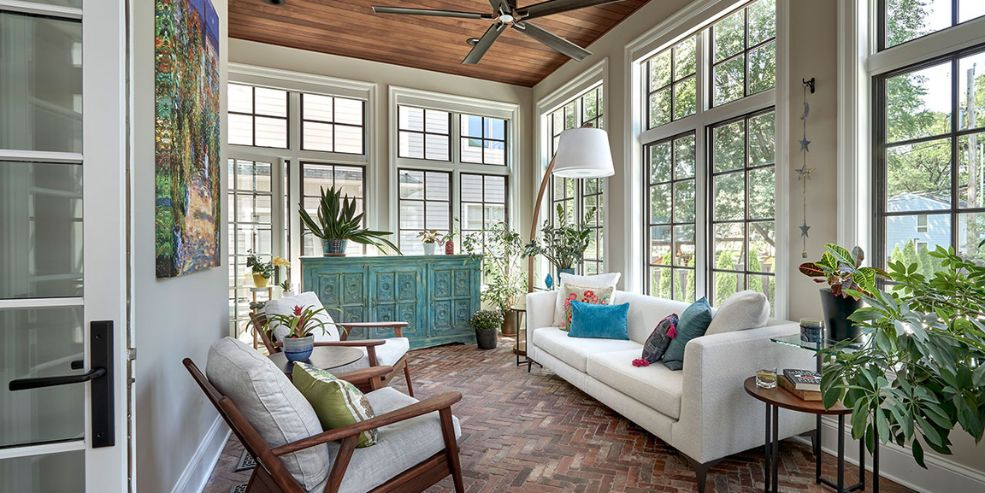
For a new French Provincial home designed for a Naperville client, the owner’s work as a photographer shaped nearly every decision. The entry sequence and main living spaces were designed to showcase artwork through balanced natural light and thoughtful wall placement. A sunroom and generous windows keep the interiors bright without overpowering the displays.
One of the home’s most memorable moments emerged from listening to the family’s needs: a child’s bedroom that doubles as a lofted retreat, hiding a secret bookshelf door leading to an expansive 800-square-foot playroom. It’s whimsical, functional, and unmistakably tailored to the people who use it.
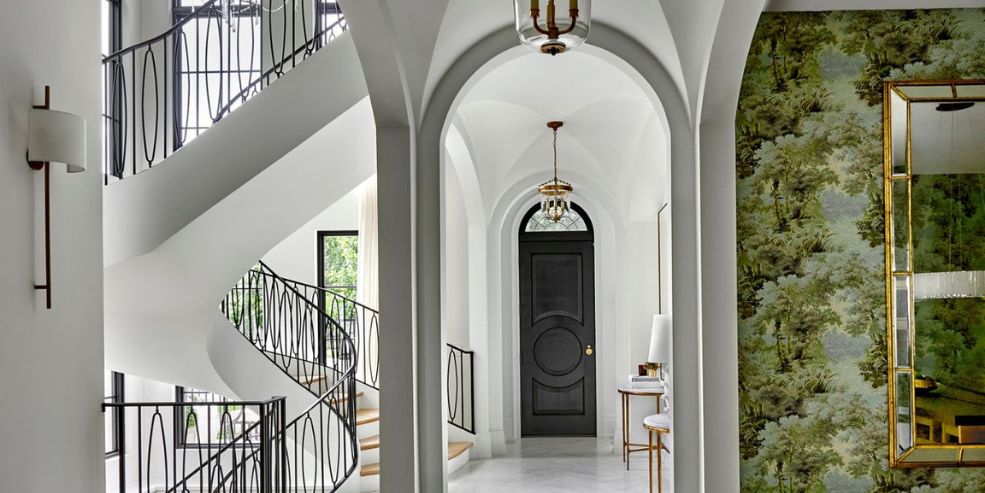
The French Glass House began as French country inspiration mixed with images of New Orleans–style French Colonial homes the owner admired. The client’s background in interiors meant she had a strong visual sense, but occasionally styles were being combined in ways that needed refinement. Through discussion and imagery, we helped shape her ideas into a cohesive architectural direction.
The result is a home anchored by a sculptural glass-enclosed staircase that acts as both centerpiece and organizing element. From the groin-vaulted hallways to the Parisian-inspired sunroom, the home balances her aesthetic instincts with solutions that function beautifully in everyday life.
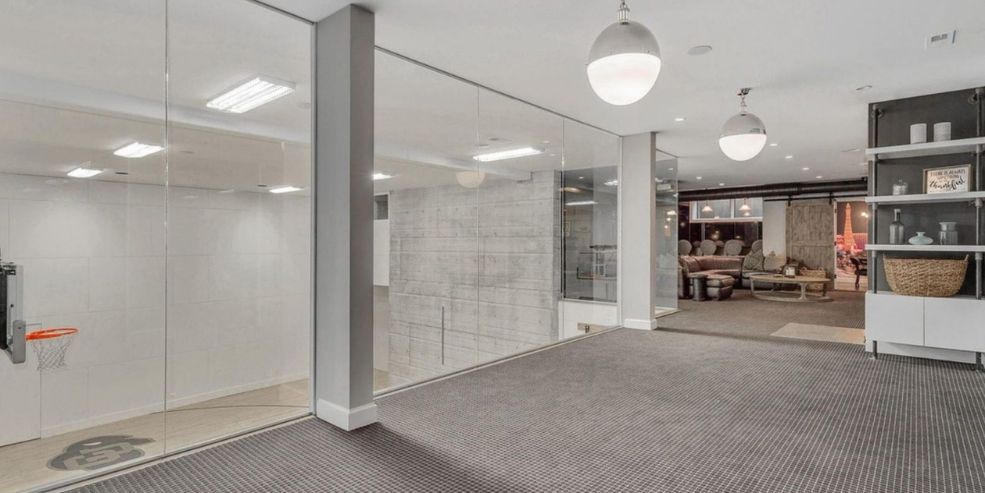
The Stone & Shingle Residence was shaped by owners who wanted recreation and wellness woven seamlessly into everyday life. Their priority was clear: create a space where fitness, play, and relaxation could happen at home in any season.
To support that goal without overwhelming the main living areas, the design incorporates a state-of-the-art indoor sports court built entirely below grade. This space accommodates everything from basketball to general fitness, acting as a gym, recreation hub, and entertainment zone in one. By placing it underground, the home maintains its classic exterior character while providing the family with year-round indoor physical activity and a highly adaptable space that supports an active lifestyle.
What ties these projects together isn’t a shared style, but a shared approach. Each home is shaped by the owners’ personal preferences—how they live, what they value, and the aesthetic they naturally gravitate toward. At the same time, the architectural response is grounded in context. A traditional neighborhood might call for a transitional exterior even when the interiors lean modern, ensuring the home feels both personal and appropriately rooted in its surroundings. An ultra-modern look, on the other hand, may be best suited for wooded sites or neighborhoods where contemporary design is already part of the surrounding character.
Regardless of the chosen style, the aim is always the same: to deliver a home that reflects the people living within it while respecting the larger environment outside. When a design honors both the individuality of its owners and the character of its setting, the result is a home that feels deeply personal and naturally at ease in its place.

